Flower Font F: A Craft Fair Seller’s Review
First Impressions for the Market Table
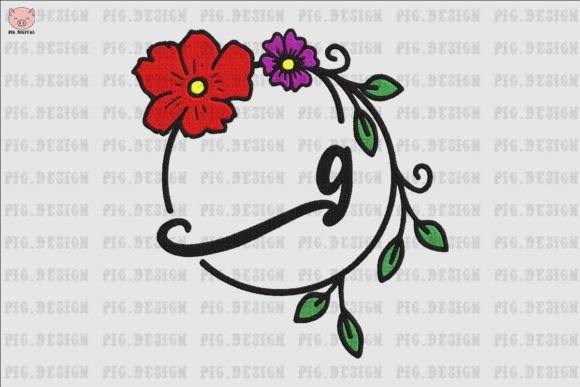
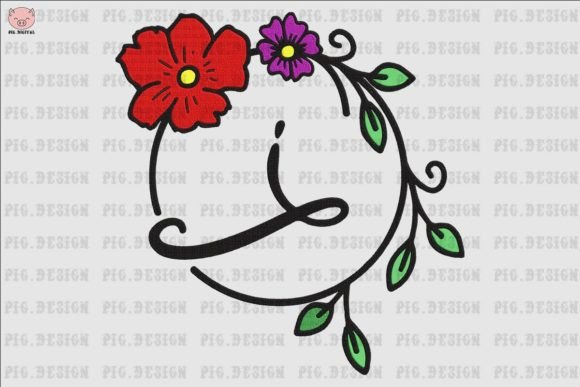
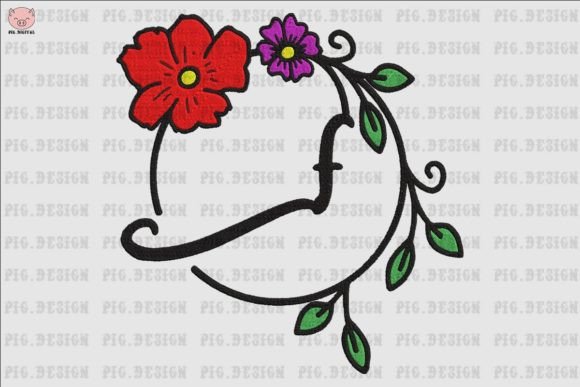
As an embroidery designer preparing for a weekend craft fair, my first priority is always visual impact from a distance. When evaluating Flower Font F, the immediate impression is one of soft elegance mixed with playful charm. This is not a stark, industrial block letter; it is a decorative script that feels inherently handmade. For a booth display, this matters immensely. Customers browsing quickly need to identify the aesthetic within seconds. This machine embroidery design reads as premium yet accessible, striking a balance that appeals to both mothers shopping for Back To School items and homeowners looking for kitchen decor.
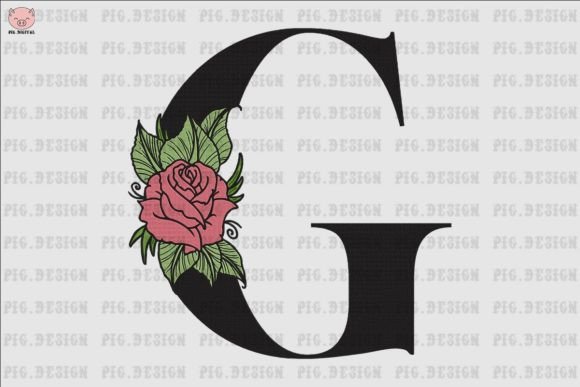
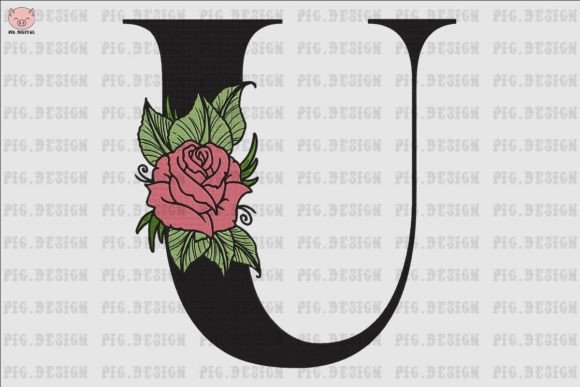
The floral integration into the letterform suggests a romantic or cottage-core vibe without being overly juvenile. From a production standpoint, this versatility is gold. It allows me to stock a single embroidery file that can be applied across multiple product categories. Whether I am stitching out samples for a rustic wooden display or a clean white linen backdrop, Flower Font F holds its own. It signals to the buyer that this is a thoughtful handmade product, not a mass-produced factory print. The organic curves of the font mimic hand-stitching, which increases perceived value at the point of sale.
Best Selling Applications for Booth Inventory
Determining where to place a new design is half the battle in commercial embroidery. Based on the structure of Flower Font F, I have identified several high-potential applications for my upcoming market setup. The design’s personality shines brightest when it serves as a monogram or initial accent rather than full text.
- Tote Bag Design: Canvas totes are a craft fair staple. Flower Font F works exceptionally well here as a large, centered initial. The contrast of the delicate floral letter against sturdy canvas creates a tactile appeal that encourages customers to touch the product.
- Apron Embroidery: For culinary gifts, this font adds a personalized touch to waist ties or chest pockets. It elevates a standard utility item into a giftable keepsake.
- Tea Towel Embroidery: Kitchen linens require legibility. Because this font retains clarity despite its ornamentation, it is safe for tea towels where readability is key. It pairs beautifully with botanical line art or simple border designs.
- Embroidered Patch: Creating standalone patches for backpacks and denim jackets is a trending niche. Flower Font F is ideal for "Back To School" season, allowing students to customize gear with a unique, feminine flair that stands out from generic varsity letters.
- Fabric Pouches and Pillow Covers: Smaller home goods benefit from the intricate details of this font. On a zipper pouch or throw pillow, the floral elements act as built-in decoration, reducing the need for additional fill designs.
Production Practicality and Batch Efficiency
A beautiful design must also be profitable. As a business owner, I evaluate Flower Font F based on production speed and consistency. Decorative fonts can sometimes be notorious for registration issues or excessive jump stitches, but this design appears optimized for commercial embroidery workflows. The flow of the script likely minimizes trims, which is crucial when running batches of 20+ items for a fair.
For Etsy sellers and digital creators, this font photographs beautifully. The inherent detail means it captures well in macro shots for listings. However, for physical sales, the repeatability is the true asset. I can confidently run this design on varied substrates—from cotton quilting fabric to linen blends—without constantly adjusting tension or digitizing parameters. This reliability reduces waste and ensures that every finished product on the table looks identical in quality. Furthermore, because it functions well as a single initial, inventory management becomes simpler. I do not need to stock every letter in every color; I can focus on popular initials and offer custom orders for the rest.
Critical Technical Considerations for Makers
While Flower Font F is versatile, experienced embroiderers know that decorative scripts demand respect. Before committing to a full production run, you must account for specific technical variables to ensure the design assets translate perfectly to fabric.
Fabric Texture and Stabilizer Choice
The success of this digital embroidery file relies heavily on your foundation. On textured fabrics like terry cloth or waffle weave, the fine floral details risk getting lost. You must use an appropriate stabilizer strategy. For tea towels, a tear-away backing combined with a water-soluble topping is non-negotiable to prevent stitches from sinking into the pile. On stretchy knits for apparel, a cut-away stabilizer is required to prevent distortion of the elegant curves. Always match your support system to the fabric weight.
Size Limitations and Stitch Density
Resist the urge to shrink this design too small. While it may look crisp on screen, reducing it below its recommended minimum size will cause the floral elements to merge and the letterforms to become illegible. Check the stitch density in your software before resizing. If the satin stitches become too dense at smaller scales, you risk needle breaks and puckering. Conversely, if scaling up for a large tote bag, ensure the stitch length remains adequate to cover the area without gaps. Always verify the optimal hoop size to maintain proper tension across the entire design field.
Thread Contrast and Color Selection
Flower Font F depends on contrast to reveal its beauty. Avoid using thread colors that match the fabric tone exactly, as the dimensional aspect of the embroidery will vanish. For dark fabrics, test variegated or metallic threads to make the floral accents pop. Remember that thread colors look different under artificial booth lighting versus natural daylight. Create a physical color chart sample to display next to your products so customers can visualize their custom options accurately.
Strategic Advice for Creative Entrepreneurs
Before listing this as a small shop product or loading it into your machine for the weekend, perform due diligence. First, confirm the licensing terms. Ensure you have the right to sell finished products made with this specific file, especially if you plan to scale beyond local fairs. Second, create at least one real-world mockup. Do not rely solely on a printable mockup generated by software. Stitch it out on the exact material you intend to sell. Inspect the backside for messy bobbin threads and check the front for any registration errors between the letter and the floral embellishments.
Finally, consider the narrative. When selling at a craft fair, customers buy the story as much as the item. Position Flower Font F not just as a letter, but as a symbol of personalized care. Use signage that highlights its suitability for birthdays, teacher gifts, and heirloom projects. By treating this embroidery file as a premium component of your brand rather than just another design in the catalog, you justify higher price points and build customer loyalty. Whether you are a boutique maker or a high-volume vendor, respecting the nuances of this design will result in better sales and fewer production headaches. Test thoroughly, stitch confidently, and let the quality of your craftsmanship drive your market success.