Rocket: An Embroidery Design Review for Business Merch
As a professional embroidery designer, I evaluate every machine embroidery design through the lens of commercial viability. When reviewing the Rocket design, my primary focus is not just its aesthetic appeal for children’s wear or room decor, but its potential as a strategic asset for small business merchandise and branded applications. While the product description highlights back-to-school projects and bedsheets, experienced apparel decorators know that a well-digitized rocket motif can serve as a powerful symbol of innovation, speed, and upward momentum for creative studios, tech startups, bakeries, and handmade brands. This review analyzes how this specific embroidery file performs when transitioned from hobbyist crafting to professional commercial embroidery production.
Visual Personality and Brand Identity Alignment
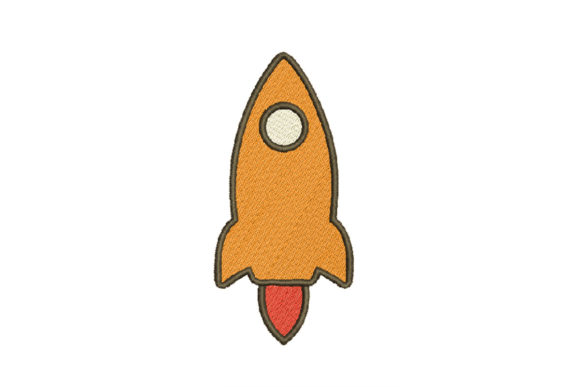
The first impression of the Rocket design suggests a balance between playful energy and structured geometry. For a small business owner, this visual duality is valuable. In the context of brand identity, a rocket communicates progress and ambition without being overly corporate. If you are running a creative agency, a tutoring center, or even a coffee shop launching a new "morning boost" blend, this imagery resonates immediately. However, because the original categorization places this under Robots, the design likely possesses clean lines and distinct color blocks rather than soft, painterly shading. This is excellent news for custom apparel. Clean vector-style aesthetics tend to digitize more reliably for patches and caps than complex illustrations. The bold nature implied by the title ensures high visibility on merchandise, making it an effective tool for customer recognition at markets, pop-up events, or in retail environments.
Performance Across Commercial Applications
When integrating Rocket into a business product line, versatility is key. Based on standard digitizing principles for this type of motif, here is how the design translates across various small business merch categories:
- Embroidered Patches: Rockets are naturally suited for patch creation due to their self-contained shape. As a uniform accent for staff at a science museum, escape room, or tech repair shop, this design works exceptionally well. The defined outline typically associated with rocket designs allows for a clean merrowed edge or satin border, ensuring the patch looks professional rather than homemade.
- Apron Embroidery: For bakeries or florists using "Rocket" as a metaphor for fast service or blooming growth, placement on the chest or pocket area of an apron creates a friendly, approachable uniform. The design acts as a conversation starter while maintaining team cohesion.
- Tote Bag Design: Canvas totes are staples for Etsy sellers and boutique owners. A centered Rocket design on a natural cotton tote offers high contrast and readability. Because totes have a flat weave, they accommodate higher stitch counts better than knits, allowing the full detail of the design to shine without distortion.
- Cap Embroidery: Headwear presents unique challenges due to curvature. If the Rocket design has a vertical orientation, it aligns perfectly with the center seam of a structured cap. This makes it ideal for branding on dad hats or snapbacks sold as event merchandise or staff uniforms.
Critical Production Considerations and Limitations
Despite its versatility, no digital embroidery file is universal. When adapting Rocket for business use, you must evaluate specific technical constraints to avoid production failures. The product description mentions children's clothes and bedsheets, which implies the design may be optimized for stable, flat fabrics. Translating this to performance wear, textured caps, or stretchy knits requires caution.
Stitch Density and Fabric Texture
If the original design was created for bedsheets, it may have a higher stitch density to prevent fabric grain from showing through. On a lightweight performance polo or a thin tote bag, this density could cause puckering or needle damage. Conversely, if the design is too sparse for a fuzzy fleece or terry cloth towel, the stitches might sink into the pile. Always run a sew-out test on the exact fabric texture you intend to use for your final product. You may need to adjust pull compensation or add an underlay specifically for heavy-duty work shirts or canvas bags.
Sizing and Detail Integrity
Rockets often feature small details like portholes, fins, or exhaust flames. Before committing to bulk production for handmade product tags or sleeve cuffs, verify the minimum viable size. Reducing a design by 50% can turn distinct elements into muddy thread blobs. Check the smallest recommended hoop size in your software. If the Rocket loses definition below three inches, restrict its use to larger formats like jacket backs or tote centers, and select a simpler icon for smaller placements like hat sides or shirt cuffs.
Strategic Value for Customer Engagement
Beyond the technical execution, using Rocket strategically enhances perceived value. In the competitive landscape of Etsy sellers and local artisans, professional-grade embroidery signals trust. A crisp, well-executed rocket logo on packaging tissue paper, a thank-you card envelope seal (via embroidered sticker), or a premium garment tag elevates the unboxing experience. It transforms a simple transaction into a branded interaction. Furthermore, consistency builds memory. Using the same Rocket asset across your website header, social media avatars, and physical finished product creates a cohesive ecosystem that customers recognize instantly. This visual repetition validates your business as established and intentional, distinguishing your brand from hobbyists who use inconsistent clip art.
Designer Notes for Pre-Production Success
To ensure Rocket meets professional standards for your business, follow this pre-production checklist before stitching client orders or inventory:
- Verify Commercial Licensing: The product description focuses on personal projects like children's clothes and room decor. Before selling any item featuring this design, confirm the license explicitly permits commercial use for finished goods. Do not assume permission based on the purchase price alone.
- Create a Printable Mockup: Before hooping expensive blanks, generate a digital mockup to visualize scale and placement. Share this with clients or stakeholders for approval to manage expectations regarding size and color.
- Test Thread Colors on Real Substrates: Screen colors differ from rayon or polyester thread sheens. Test your chosen thread colors against the actual fabric under store lighting conditions to ensure sufficient contrast and brand accuracy.
- Audit Stabilizer Selection: Match your backing to the end-use. Use cut-away stabilizer for stretchy uniforms to maintain registration over time, and tear-away for stable woven totes. Incorrect stabilization is the most common cause of poor results in apron embroidery and apparel.
- Check Spacing and Kerning: If adding business text beneath the Rocket, ensure adequate spacing. Text placed too close to the graphic can cause registration issues during high-speed machine embroidery. Leave breathing room for a premium look.
- Compare Beside Other Assets: Print out the design at actual size and place it next to your existing business cards or labels. Ensure the visual weight matches your current design assets so the rocket doesn't overpower or get lost in your broader branding system.
Ultimately, Rocket offers significant potential for small business merchandise when approached with professional scrutiny. By validating its technical suitability for your specific substrates and confirming its alignment with your brand voice, you can transform this engaging motif into a durable asset that drives recognition and sales. Whether applied to staff uniforms, retail totes, or promotional patches, success lies in treating the design not just as decoration, but as a functional component of your business infrastructure.