2nd Grade Batter Up: A Designer’s Stitch-Out Review
As a professional embroidery digitizer and product reviewer, I approach every new design with a critical eye. It is not enough for a graphic to look appealing on a screen; it must translate beautifully through needle and thread. When evaluating the 2nd Grade Batter Up machine embroidery design, my primary focus is on how this artwork performs in real-world production scenarios. This review breaks down the practical application of this design for craft business owners, Etsy sellers, and makers preparing for the upcoming Back To School season.
First Impressions and Visual Personality
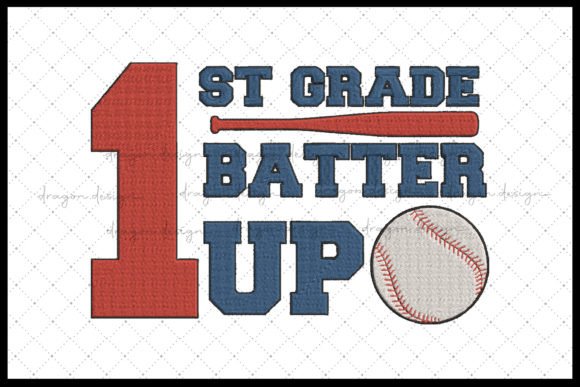
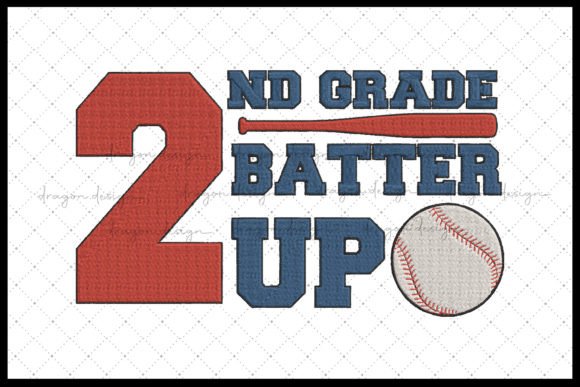
Upon opening the digital embroidery file, the immediate impression of 2nd Grade Batter Up is one of nostalgic energy. The layout captures that specific transition period where children are growing out of toddlerhood and into active school-age hobbies. Visually, the design balances playful typography with recognizable baseball iconography without feeling cluttered. For a designer, this balance is crucial. A cluttered design often leads to registration issues or excessive stitch density, but this composition appears to have adequate breathing room between elements.
The mood is distinctly celebratory yet grounded, making it versatile beyond just sports team gear. It feels appropriate for academic milestones, end-of-year gifts, or simply celebrating a child’s interest. As an embroidery project asset, it avoids the trap of being overly generic. It has enough character to stand alone on a finished product while remaining simple enough to pair with personalized names or additional custom apparel branding.
Real-World Application: The Custom Sweatshirt Test
To truly judge the viability of 2nd Grade Batter Up, I mentally placed it in a current best-selling scenario: a custom embroidered sweatshirt for a second-grade class party. In this context, the design needs to be legible from a distance and durable enough to withstand playground wear and frequent washing.
For sweatshirt embroidery, the design’s structure suggests it will anchor well on fleece or French terry fabrics. These materials can sometimes swallow fine details, but the bold nature of this theme typically utilizes fill stitch areas that sit nicely atop textured fabric. If you are creating boutique products or small shop merchandise, this design offers high perceived value because it targets a specific niche rather than a broad, saturated market. Parents are actively searching for grade-specific items, and having a polished, professional design ready for these requests can significantly boost buyer engagement and customer trust.
Beyond apparel, I can see this working exceptionally well as a tote bag design for library books or a personalized gift for teachers. On canvas totes, the stability of the fabric allows for crisp satin stitch borders and clean running stitch outlines. The versatility here is a major asset for creative entrepreneurs looking to maximize the ROI of their design assets across multiple product categories.
Technical Considerations and Fabric Limitations
While 2nd Grade Batter Up is versatile, no single embroidery design works everywhere. Professional judgment requires knowing where not to use a file. Here are specific technical constraints to consider before stitching:
- Stretchy Performance Wear: If applying this to thin, stretchy athletic jerseys, you must verify the stitch density. Baseball themes often involve dense lettering. Without proper stabilizer and potentially a lighter density version of the file, the fabric may pucker or distort.
- Curved Surfaces: Be cautious when using this on caps. Unless the design was specifically digitized for curved surfaces, the horizontal span of "2nd Grade" text may warp on a hat front. Always test on a scrap cap first.
- Small Hoop Sizes: Check your minimum hoop size requirements before purchasing. Detailed grade numbers and bat graphics require a certain physical footprint to maintain clarity. Resizing down too aggressively can cause tiny lettering to become illegible or cause thread breaks.
- Dark Fabrics: Evaluate the contrast. If the design relies on subtle color blending, it may disappear on navy or black garments. You may need to adjust thread colors or add a white underlay base to ensure the design pops against dark backgrounds.
Impact on Product Value and Brand Consistency
For handmade shop owners and digital product sellers, the quality of your embroidery directly reflects your brand. Using a well-structured design like 2nd Grade Batter Up signals professionalism. When customers receive a finished product where the stitches are smooth, the registration is aligned, and the theme is age-appropriate, it reinforces their decision to buy handmade over mass-produced alternatives.
This design also serves as excellent content for printable mockups and social media marketing. Because the theme is visually distinct, it photographs well for Etsy listings. High-quality photos of this design stitched out on actual garments help bridge the gap between digital preview and physical reality, reducing customer hesitation. For those selling commercial embroidery services, having reliable, grade-specific designs in your library allows for faster turnaround times during the peak Back To School rush.
Essential Designer Notes for Success
Before loading 2nd Grade Batter Up into your machine for a client order or inventory build, adhere to these professional best practices:
- Verify File Compatibility: This machine embroidery design comes with multiple embroidery file formats, but always confirm your specific machine reads the provided format correctly before starting a paid job.
- Test Stitch Density: Run a test on scrap fabric that matches your final project weight. Check the back of the embroidery; if the bobbin thread shows excessively on top or the fabric is stiff like cardboard, the density may need adjustment for that specific material.
- Stabilizer Selection: Do not rely on guesswork. Use cut-away stabilizer for knits and stretchy fabrics to prevent distortion over time. Use tear-away only for stable, woven fabrics like canvas tea towels or pillow covers.
- Thread Color Planning: Review the included color chart against your available thread inventory. Sometimes digital renderings differ slightly from physical thread sheens. Swap colors in your machine software if necessary to achieve better contrast or match specific school colors.
- Licensing Compliance: Before listing any finished product or digital asset derived from this design, strictly review the license terms. Confirm whether you are permitted to sell physical embroidered items, digital files, or both. Protecting your business starts with respecting intellectual property.
- Mockup Validation: Create black and white mockups to test value contrast. If the design looks muddy in grayscale, it will likely lack visual impact in low-light photography or on similarly colored fabrics.
Final Verdict for Makers
2nd Grade Batter Up stands out as a practical, commercially viable asset for the embroidery community. It strikes the right balance between thematic specificity and broad appeal within its niche. Whether you are crafting a personalized gift for a favorite student, stocking up for a craft fair, or fulfilling custom apparel orders, this design provides a solid foundation for quality work. By respecting the technical requirements of fabric texture and stabilizer choice, you can ensure that every stitch-out meets the high standards your customers expect. Remember to always check the specific file details and license terms provided with your purchase to ensure seamless integration into your creative workflow.