4th Grade Back to School: A Designer's Review
As a professional embroidery designer preparing for the upcoming seasonal rush, I approach every new machine embroidery design with a critical eye. When sourcing assets for a small boutique brand or an Etsy shop, the difference between a generic craft project and a premium retail product often lies in the technical execution and aesthetic versatility of the digitizing. Recently, I evaluated the "4th Grade Back to Back to School" design specifically for use on a curated sweatshirt collection. This review breaks down how this digital asset performs in a real-world commercial embroidery setting, focusing on its viability for custom apparel and handmade business owners looking to elevate their back-to-school offerings.
First Impressions and Aesthetic Versatility
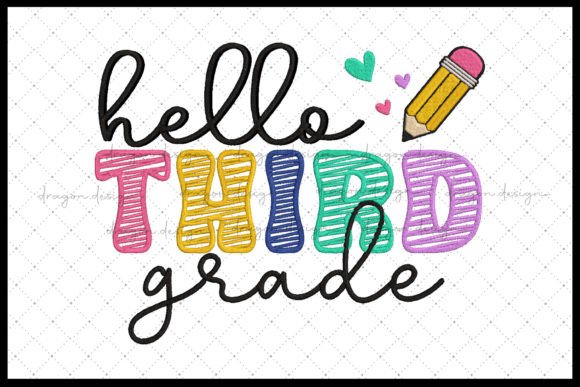
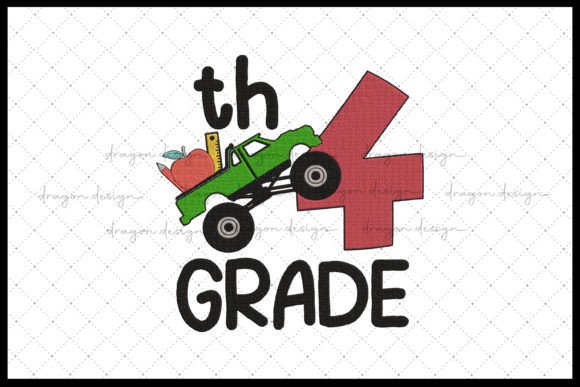
The initial appeal of the 4th Grade Back to Back to School design lies in its targeted nostalgia combined with modern readability. For a boutique brand, specificity sells. Fourth grade is a milestone year where students transition from lower elementary to upper elementary, and parents are eager to commemorate this shift. Visually, this design strikes a balance between playful and polished. It avoids the overly cartoonish aesthetic that can sometimes cheapen a finished product, leaning instead toward a style that feels appropriate for both children and the parents purchasing the garment.
When visualizing this on neutral sweatshirts—think oatmeal, sand, or heather grey—the design provides excellent contrast without overwhelming the fabric texture. These muted tones are currently dominating the handmade product market because they photograph beautifully for lifestyle shots and Instagram reels. However, the true test of any embroidery file is its performance on dark fabrics. On navy or charcoal hoodies, this design requires careful thread color selection to maintain legibility. The layout appears structured enough to hold its own on oversized silhouettes, ensuring the artwork doesn't get lost in the excess fabric of a trendy, boxy fit.
Technical Evaluation for Sweatshirt Embroidery
Aesthetics mean nothing if the stitches pucker or sink into the fleece. In my assessment of 4th Grade Back to Back to School for sweatshirt embroidery, several technical factors come into play. Fleece and French terry fabrics have a high pile, which can be the enemy of fine detail. This design seems to account for fabric texture by utilizing adequate stitch density. For commercial embroidery on heavy garments, we need saturation that covers the fabric nap without creating a bulletproof patch that distorts the drape of the hoodie.
Stabilizer choice is paramount here. For this specific design on a cozy seasonal apparel piece, I would recommend a medium-weight cutaway stabilizer rather than tear-away. Cutaway provides permanent support, preventing the design from warping after washing—a critical factor for buyer trust and brand reputation. If you are an Etsy seller offering custom apparel, durability is your best marketing tool. Parents expect school clothes to survive industrial washers and dryers; if the embroidery fails, so does your customer retention.
Furthermore, hoop size and placement require strategic planning. While this design works as a central chest piece, it also shows promise as a left-chest logo placement on premium hoodies. Before production, always verify the exact dimensions within your embroidery software. Scaling a design up or down can alter stitch density and jump stitch paths. For a professional finish on a boutique brand item, ensure the design fits comfortably within your hoop without requiring excessive repositioning, which introduces alignment risks.
Commercial Viability for Small Shops and Digital Sellers
For creative entrepreneurs and small shop products, inventory risk is a constant concern. The beauty of using a versatile machine embroidery design like 4th Grade Back to Back to School is the ability to offer variety without holding massive stock. This design translates exceptionally well across different price points and product types. On a basic cotton tee, it serves as an affordable entry-level item. On a heavyweight, embroidered crewneck, it justifies a higher price point due to the perceived value of the detailed needlework.
From a branding perspective, consistency builds recognition. Using this design as part of a cohesive back-to-school collection helps establish a visual identity for your shop. Whether you are selling physical goods or operating as a digital seller providing printable mockups and design assets, the presentation matters. High-quality photos of the stitched-out design on actual fabric textures convert significantly better than flat digital renders. Showcasing the 4th Grade Back to Back to School design on a model in a natural setting helps customers visualize the scale and color accuracy, reducing return rates and increasing engagement.
Thread Color Strategy and Customization
One of the strongest aspects of this design for custom apparel is its adaptability to thread colors. As a designer, I look for files that allow for easy color swapping to match specific school colors or seasonal palettes. For a rustic autumn vibe, burnt orange and forest green threads create a warm, nostalgic feel. For a more feminine or pastel-forward boutique aesthetic, dusty rose and sage green soften the look while maintaining readability. Always test your thread colors on a scrap of the actual garment fabric before running a full production batch. Lighting conditions and fabric dye lots can drastically change how thread colors interact with the base material.
Ensuring Quality in the Finished Product
The ultimate goal for any apparel decorator is a finished product that looks intentional and high-end. When reviewing 4th Grade Back to Back to School, consider the negative space. Designs that are too dense can make a sweatshirt stiff and uncomfortable. This design appears to utilize open areas effectively, allowing the fabric to breathe and move naturally. This comfort factor is essential for children’s wear; if it scratches or feels heavy, it won’t be worn, and it won’t be recommended to other parents.
Additionally, pay attention to the underlay stitching. Proper underlay is what anchors the top stitches to the stabilizer and fabric, creating a smooth surface for the satin and fill stitches. If you notice puckering during your test run, adjust your underlay settings or increase your stabilizer weight. Commercial embroidery demands this level of technical scrutiny. Your customers are paying for expertise, not just a digital file transferred onto cloth.
Practical Considerations Before Production
While the 4th Grade Back to Back to School design shows immense promise for boutique collections, responsible designers must verify specific parameters before committing to a large drop. Always check the included documentation for the exact stitch count, recommended hoop size, and license terms. Ensure your commercial license covers the intended volume of sales, especially if you are scaling your Etsy shop or local business. Furthermore, confirm the file formats included are compatible with your specific machine brand to avoid conversion errors that could compromise stitch integrity.
Incorporating this design into your lineup offers a tangible way to connect with the back-to-school emotional cycle. It transforms a standard sweatshirt into a keepsake. By focusing on proper stabilization, thoughtful thread selection, and rigorous testing, you elevate this machine embroidery design from a simple digital download to a cornerstone of your seasonal revenue. For handmade business owners, this attention to detail is what separates hobbyists from established brands. Treat every stitch as a representation of your business values, and your audience will respond with loyalty and enthusiasm.