Books Lined Up on a Shelf: Apparel Review
As an embroidery designer constantly scouting for versatile graphics that translate well from screen to fabric, I approach every new machine embroidery design with a critical eye. When planning a boutique apparel collection, specifically for the academic or cozy aesthetic niche, the visual weight and stitch architecture matter just as much as the artwork itself. After reviewing Books Lined Up on a Shelf on Creative Fabrica, I see significant potential for this design in sweatshirt and hoodie applications, provided it is executed with the right technical considerations.
Visual Personality and Boutique Appeal
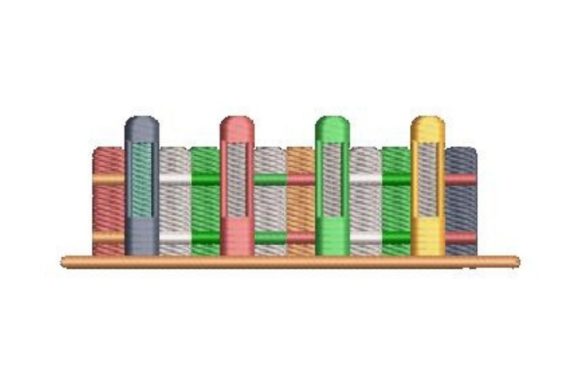
The first impression of Books Lined Up on a Shelf is one of organized nostalgia. It strikes a balance between classic academia and modern cottagecore, making it highly relevant for current market trends. For a boutique brand, this design avoids looking like generic clipart; instead, it offers a curated, library-inspired mood that appeals to students, teachers, librarians, and avid readers. The horizontal orientation of books on a shelf provides a natural framing element that works exceptionally well across the chest of a garment or centered on a tote bag.
Unlike vertical stack designs which can sometimes distort on curved surfaces, this linear composition respects the grain of most apparel fabrics. The visual density suggests a design that will hold its own on heavier materials like fleece and French terry, which are staples for sweatshirt embroidery. For an Etsy seller or small shop owner, this graphic communicates a sense of comfort and intellect without being overly juvenile, allowing for a broader demographic reach in your product listings.
Strategic Placement for Custom Apparel
When integrating Books Lined Up on a Shelf into a production lineup, placement dictates the perceived value of the finished product. Based on the typical aspect ratio of shelf-based imagery, I recommend the following placements for maximum impact:
- Oversized Sweatshirts: Center-chest placement allows the horizontal line of the books to sit naturally above the bust line, creating a balanced silhouette that photographs well for social media.
- Hoodie Design: While center-chest is standard, consider placing this design on the upper back yoke. This creates a premium feel and leaves the front open for smaller text or pocket logos.
- Tote Bags and Canvas: The rectangular nature of this design mimics the shape of a book cover or bag panel, making it structurally harmonious for accessories.
- Sleeve Accents: If the embroidery file includes individual book elements or if you can isolate them in software, these make excellent wrist or forearm accents for long-sleeve tees.
For commercial embroidery businesses, this versatility means one digital purchase can yield multiple SKU variations. However, always verify the specific dimensions in the Creative Fabrica embroidery listing before hooping, as resizing too drastically can alter stitch density and affect the drape of lighter fabrics.
Technical Performance on Stretchy Fabrics
Embroidering on any kind of fabric and stitching perfectly will make this a highly enjoyable project, but apparel requires specific technical adjustments. Books are geometric shapes with straight lines, which can be unforgiving on stretchy knit fabrics if not stabilized correctly. When using Books Lined Up on a Shelf on ribbed cuffs or lightweight jersey t-shirts, the risk of puckering increases.
I advise testing on scrap fabric that matches your production garment exactly. For hoodies and sweatshirts, a medium-weight cutaway stabilizer is usually necessary to support the fill stitches often found in book spine details. If the design relies heavily on satin stitches for the book edges, ensure your tension is dialed in to prevent tunneling. Because this design falls under the Back To School category, you may be rushing production in late summer; do not skip the test run. A distorted shelf line on a finished hoodie looks unprofessional and leads to returns.
Furthermore, check the hoop size requirements against your machine’s capabilities. Some shelf designs are wide panoramas that require large hoops. If you are working with smaller machines, confirm whether the digital embroidery file has been split or if you need to resize it yourself. Resizing should generally stay within 10-15% of the original size to maintain the integrity of the digitizing.
Color Theory and Thread Selection
The success of Books Lined Up on a Shelf relies heavily on thread colors and contrast. On neutral sweatshirts like oatmeal, sage, or charcoal, this design pops beautifully. However, on dark navy or black apparel, you must ensure the digitizer included adequate underlay or outline definition so the books do not disappear into the fabric texture.
For a cohesive handmade product line, consider creating a signature color palette. Instead of using realistic rainbow colors for the books, try tonal variations (e.g., all shades of blue or terracotta) to elevate the design from crafty to boutique-chic. This subtle styling choice signals to buyers that this is a thoughtfully designed piece of custom apparel rather than a mass-produced novelty item. Always review the thread chart included with the embroidery file to understand the intended color breaks before substituting your own palette.
Enhancing Brand Value and Customer Trust
In the competitive space of online apparel, professional presentation builds buyer trust. Using high-quality designs like Books Lined Up on a Shelf contributes to a consistent brand identity. When customers see clean stitching, appropriate sizing, and thoughtful placement, they associate those qualities with your entire shop.
This design also lends itself well to lifestyle marketing. Imagine a printable mockup featuring a model holding a coffee cup while wearing the embroidered sweatshirt, or a flat lay surrounded by actual vintage books. These visuals help customers envision the product in their daily lives. For Etsy sellers, listing photos that show the embroidery texture up close can significantly increase conversion rates, as buyers want to verify the quality of the stitch-out before purchasing.
Essential Pre-Production Checklist
Before launching a collection featuring Books Lined Up on a Shelf, run through this practical checklist to ensure commercial viability:
- Verify Licensing: Confirm on Creative Fabrica that the license covers commercial use for physical products. Digital resale of the file is typically prohibited, but selling the embroidered apparel is the goal.
- Inspect Stitch Density: Open the file in your editing software. If the fill areas are too dense for your target fabric, adjust the density or add texture fills to reduce bulk.
- Test on Target Fabric: Do not assume a test on cotton quilting fabric translates to polyester fleece. Test on the actual garment blank.
- Check Format Compatibility: Ensure the download includes the specific format your machine reads best (PES, DST, JEF, etc.) to avoid conversion errors.
- Evaluate Scalability: Determine the smallest and largest safe sizes for this specific design. Tiny lettering on book spines may become illegible if scaled down too far.
By treating Books Lined Up on a Shelf as a professional asset rather than just a cute graphic, you maximize its return on investment. Whether you are creating a capsule collection for the autumn semester or adding evergreen pieces to your shop, this design offers the structural stability and aesthetic charm necessary for successful small shop product development. Always prioritize the technical execution to ensure the final embroidered piece meets the high standards your customers expect.