Back to School Books and Apples Design Review
As an embroidery designer who has digitized and tested thousands of files for commercial production, I approach every new machine embroidery design with a critical eye. When planning inventory for the upcoming season, specifically for personalized gift products, the "Back to School Books and Apples" design immediately caught my attention. This is not merely a seasonal graphic; it is a versatile framing element that solves one of the most common challenges in custom embroidery: integrating narrow monograms into complex artwork without losing legibility or charm. After running test stitches and evaluating its application across various substrates, here is my professional assessment for fellow makers, Etsy sellers, and gift shop owners.
First Impressions: Classic Charm Meets Functional Design
The initial mood of Back to School Books and Apples strikes a perfect balance between nostalgic academia and playful sweetness. It does not feel overly juvenile, which expands its marketability beyond just children’s items. The aesthetic is undeniably classic, evoking feelings of warmth, learning, and tradition. For a handmade product, this emotional resonance is crucial. Customers are not just buying thread on fabric; they are purchasing a sentiment of growth and education.
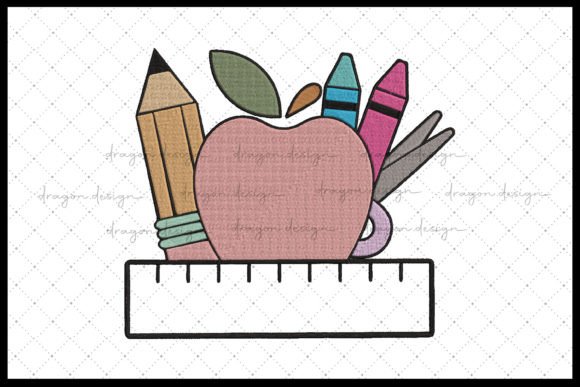
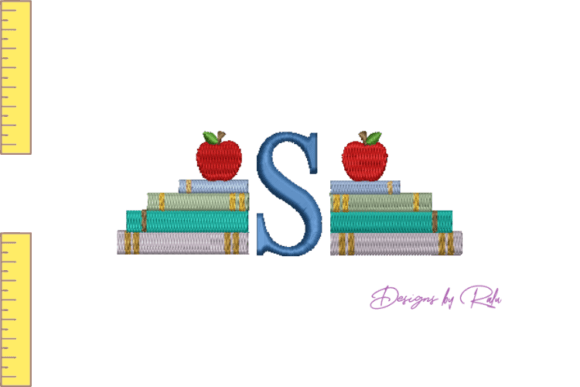
From a technical design perspective, the inclusion of both bookends as integral parts of the artwork is a brilliant feature. Many designs leave the center open but lack structural boundaries, making it difficult for embroiderers to visualize where their text should sit. This design provides a built-in container. The filled book stack with apples offers enough visual weight to anchor the composition, ensuring that even a simple three-letter monogram feels substantial and intentional rather than floating in empty space. The detail level is moderate, avoiding excessive complexity that could cause registration issues on lighter fabrics while still providing enough texture to look premium on heavier goods.
Versatility Across Personalized Gift Categories
In my studio, versatility dictates whether a digital embroidery file earns a permanent spot in my library. Back to School Books and Apples performs exceptionally well across multiple product lines because the font is not included. This freedom allows us to tailor the typography to the specific recipient and item.
- Baby Embroidery and Nursery Decor: For baby blankets or nursery pillows, pairing this design with a soft, rounded serif font creates a sweet, timeless keepsake. The apple motif adds a pop of color that photographs beautifully for social media listings.
- Teacher Appreciation and School Staff Gifts: This is the obvious use case, but the execution matters. On an embroidered towel or tote bag intended for a teacher, using a clean, collegiate-style block font elevates the perceived value. It transforms a generic school supply theme into a professional, personalized tribute.
- Wedding Gifts and Family Keepsakes: Surprisingly, this design works for weddings when framed correctly. For a couple who are both educators or avid readers, stitching their new shared surname between the bookends creates a meaningful wedding gift that honors their profession and passion. It serves as a unique alternative to traditional floral crests.
- Kitchen and Home Textiles: Aprons and tea towels benefit from the vertical stability of the book stack. The design acts as a central focal point that remains readable even when the fabric is draped or folded.
Technical Considerations and Fabric Limitations
While Back to School Books and Apples is adaptable, it requires thoughtful placement. As with any commercial embroidery project, understanding the interaction between the design and the substrate is vital for customer satisfaction.
Navigating Small Lettering and Narrow Spaces
Because this design is optimized for narrow monograms, you must be vigilant about letter size. If a customer requests a long name or phrase, do not simply shrink the text to fit. Small lettering combined with the detailed edges of the books can lead to thread breaks or illegible stitching. In such cases, consider stacking the text vertically or abbreviating to maintain clarity. Always verify that your chosen font has adequate spacing for the specific hoop size you are using.
Fabric Texture and Stabilizer Choices
The filled nature of the book stack means there is significant stitch coverage. On thick terry cloth towels or plush blankets, you must use a heavy-duty water-soluble topping to prevent the design details from sinking into the pile. Conversely, on stretchy baby clothes or lightweight linen pillow covers, the stitch density of the books could cause puckering if the proper stabilizer is not used. I recommend a medium-weight cutaway for stretchy garments to support the weight of the apples and books without distorting the fabric grain. For woven cottons like aprons, a tear-away may suffice, but always test first.
Color Contrast and Dark Fabrics
This design relies heavily on color blocking to define the books and apples. On dark fabrics, ensure your outline stitches are distinct enough to separate the red apples from the book spines. You may need to adjust thread colors or add a white underlay to make the colors pop against navy or black backgrounds. Without sufficient contrast, the design can look muddy in product photography and in person.
Enhancing Perceived Value and Customer Trust
For Etsy sellers and small shop owners, Back to School Books and Apples is a tool for building buyer engagement. The "filled" aspect of the design signals completeness. Customers often worry that personalized items will look sparse or unfinished. Seeing a robust, fully stitched book stack reassures them that the final product will be high-quality and durable.
Furthermore, because the font is customizable, you can offer tiered pricing or upsells based on typography complexity. A standard block font might be your base price, while an ornate script or custom digitized name could command a premium. This flexibility allows you to cater to different budgets while maintaining the integrity of the finished product. When photographing samples for your listings, show the design on at least two different fabric types to demonstrate its versatility. A mockup on a crisp white towel alongside a photo on a cozy cream blanket helps buyers envision the design in their own lives.
Essential Pre-Production Checklist for Makers
Before listing Back to School Books and Apples in your shop or starting a custom order, run through this practical checklist to ensure professional results:
- Test on Scrap Fabric: Never stitch directly on a customer’s item without a prior test. Check for registration alignment between the bookends and the fill areas.
- Verify Hoop Compatibility: Confirm the design dimensions fit comfortably within your hoop with adequate margin for the presser foot. Do not rely solely on software previews.
- Review Stitch Density: If combining this with a particularly dense font, check the total stitch count to ensure it won’t exceed machine limits or damage delicate fabrics.
- Check Licensing: Since this is a personalized gift staple, confirm your commercial license terms before selling finished goods. Ensure you are compliant with the digitizer's usage policy.
- Create Printable Mockups: Use a printable mockup template to get client approval on font choice and placement before stitching. This reduces revision time and increases trust.
- Inspect Small Details: After stitching, examine the apple stems and book corners. These fine details are the first to fail if tension is off or stabilizer is insufficient.
Back to School Books and Apples is more than a seasonal novelty; it is a foundational asset for any embroidery business focusing on personalized gifts. Its clever use of negative space, combined with its warm, academic aesthetic, makes it a reliable choice for everything from baby keepsakes to teacher tributes. By respecting the technical requirements of fabric texture and lettering scale, you can transform this embroidery file into a best-selling product that delights customers and showcases your craftsmanship. Remember to always prioritize testing and quality control, as the reputation of your small shop product line depends on the consistency of every stitch.