Times Roman Font VWX: A Craft Fair Staple
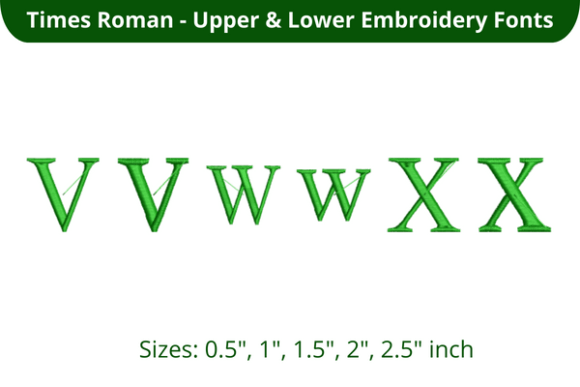
As I prepare my inventory for the upcoming weekend craft fair, I am constantly evaluating which digital assets will translate best into physical sales. The booth display needs to be cohesive yet versatile, appealing to parents shopping for Back To School items and customers looking for timeless handmade gifts. In reviewing the Times Roman Font VWX embroidery file, I see a foundational tool rather than just another decorative element. This machine embroidery design offers a classic serif aesthetic that communicates quality and tradition. For any Etsy seller or boutique maker, this font represents the difference between a generic personalized item and a premium finished product.
First Impressions: Classic Authority and Clean Lines
My initial assessment of Times Roman Font VWX is that it feels undeniably professional. Unlike playful script fonts or blocky sans-serifs, this typeface carries an air of academic elegance and established trust. It does not scream for attention; instead, it anchors the design. When I look at this embroidery file, I envision it performing exceptionally well on items that require legibility and sophistication. It strikes a balance between vintage charm and modern clarity, making it ideal for customers who want personalization without sacrificing readability. For a craft fair product, this is crucial because shoppers often make split-second decisions based on visual clarity from a distance.
Best Applications for Market Booths and Online Shops
Determining where to apply Times Roman Font VWX is key to maximizing return on investment during production. Based on my experience with commercial embroidery, this font excels in specific categories:
- Tote Bag Design: Canvas totes are a staple small shop product. The structured serifs of this font contrast beautifully against the natural weave of canvas, creating a scholarly or literary vibe perfect for book lovers and students.
- Tea Towel Embroidery: Kitchen linens require high legibility. Whether stitching a family name or a baking quote, this font remains crisp on linen and cotton blends, elevating a simple towel to a heirloom-quality handmade product.
- Apron Embroidery: For chef aprons or gardening wear, the traditional look suggests expertise. It pairs well with minimalist line art or botanical motifs often found in Back To School or autumn collections.
- Embroidered Patches: Because the letterforms are distinct, they hold up well when digitized for patches. This makes them excellent for club insignias, graduation memorabilia, or organizational branding.
- Pillow Covers and Home Decor: Monograms using this font feel expensive. On velvet or linen pillowcases, the classic styling adds immediate perceived value to the finished product.
Production Efficiency and Batch Manufacturing
For creative entrepreneurs preparing for a market, time is money. Times Roman Font VWX is highly practical for batch production. Serif fonts can sometimes be tricky if the serifs are too thin, but this design appears robust enough for repeatable hooping. When creating printable mockups for Etsy listings, the clean lines photograph sharply, reducing the need for excessive editing. Customers can instantly read the text in thumbnail images, which improves click-through rates. Furthermore, because the style is neutral, it allows me to use consistent thread colors across multiple product types, streamlining my setup and reducing thread changes during long production runs.
Critical Technical Considerations for Makers
While versatile, this machine embroidery design requires careful handling to ensure the final output meets professional standards. As an experienced designer, I must highlight specific cautions:
- Fabric Texture and Stability: Serif details can get lost on highly textured fabrics like terry cloth or loose-weave burlap. Always use an appropriate stabilizer to prevent the fine edges of the letters from sinking into the pile.
- Small Lettering Clarity: If resizing for tiny tags or cuff embroidery, verify that the serifs do not merge. Test the minimum size before committing to a bulk order of caps or pouches.
- Stitch Density on Dark Fabrics: On dark materials, ensure adequate underlay. Without it, the fabric grain may show through the satin stitches, making the white or light-colored text look muddy.
- Curved Surfaces: When embroidering caps or sleeves, the straight baseline of a serif font can sometimes look visually curved due to the surface distortion. Consider slight arc adjustments in your software if necessary.
Enhancing Perceived Value and Brand Consistency
The choice of typography directly influences how customers value a handmade product. Times Roman Font VWX signals intentionality. When a buyer sees a tote bag or tea towel embroidered with a refined serif font, they subconsciously associate it with higher craftsmanship compared to standard block lettering. This consistency helps build brand recognition. If my booth displays a unified typographic style across aprons, bags, and pillows, the entire collection looks curated and professional. This visual cohesion encourages customers to buy multiple items as a set, increasing the average transaction value at the craft fair.
Designer Notes for Successful Implementation
Before loading this digital embroidery file into my machine for a full production run, I adhere to a strict testing protocol. I always recommend stitching out Times Roman Font VWX on scrap fabric that matches the weight and texture of your intended final product. Check the spacing between letters; serif fonts often require slightly more kerning to prevent overcrowding at smaller sizes. Review the hoop size requirements to ensure you have adequate margin for stabilization. Additionally, confirm the commercial licensing terms included with your purchase to ensure you are cleared to sell finished products derived from this asset. Finally, create at least one real sample to photograph alongside your digital mockups. Real-world photos showing the stitch texture on actual fabric build trust with online buyers and give craft fair shoppers confidence in the durability of your work. By treating this font as a precision tool rather than a default option, you transform simple personalization into a compelling selling point for your embroidery business.