Write on Notebook Paper Applique Design Review
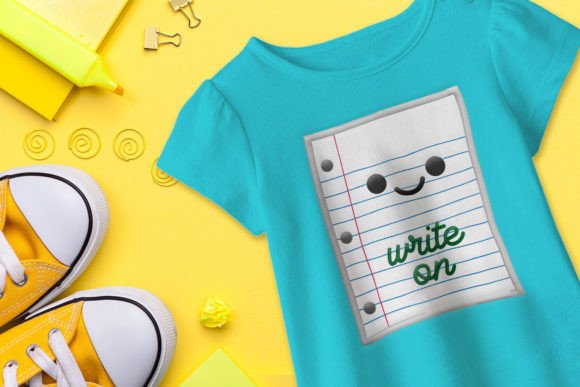
As an embroidery designer focused on commercial applications, I approach every machine embroidery design with a critical eye toward production efficiency and brand longevity. When evaluating the Write on Notebook Paper Applique for small business merchandise, my primary concern is not just aesthetic appeal, but how the digitizing translates to real-world goods. This design, categorized under Back To School, features a cartoon piece of notebook paper with "write on" text. While the theme suggests academic use, its utility extends far beyond classrooms. For creative studios, bakeries, florists, and handmade brands, this graphic offers a unique opportunity for storytelling through thread. However, successful implementation requires understanding the specific constraints of appliqué work in a commercial setting.
Visual Personality and Brand Alignment
The first impression of the Write on Notebook Paper Applique is distinctly playful yet structured. The notebook paper motif evokes nostalgia, creativity, and organization. For a small business, this visual language communicates approachability and artisanal care. It feels handmade rather than corporate, which is a significant asset for Etsy sellers or boutique owners building a personal connection with customers. The "write on" text implies communication, customization, and openness.
However, because this is an appliqué design, the visual weight depends heavily on fabric choice. Unlike standard fill stitches, the texture of the appliqué fabric becomes part of the brand identity. If you are branding a rustic bakery, using unbleached cotton or linen for the paper element enhances the organic feel. Conversely, for a modern pet brand or creative agency, a crisp white twill or felt maintains a clean, professional look. The design balances whimsy with clarity, making it suitable for businesses that want to appear friendly without sacrificing legibility.
Commercial Applications Beyond the Classroom
While labeled as a Back To School asset, I see high potential for this embroidery file in diverse commercial sectors. The rectangular shape of the notebook paper makes it naturally suited for specific placement areas that often challenge irregular logos.
- Apron Embroidery: For cafes and florists, the chest pocket area of an apron is prime real estate. The notebook shape mimics a pocket or name tag, allowing staff to wear branded gear that looks intentional rather than stamped on. The "write on" text subtly reinforces customer service and attention to detail.
- Tote Bag Design: Canvas totes are staples for markets and retail packaging. This design scales well on heavy canvas, where the appliqué adds tactile interest. It transforms a generic bag into a branded keepsake that customers are likely to reuse, extending your marketing reach.
- Custom Apparel and Uniforms: On work shirts or denim jackets, this design works excellently as a sleeve badge or back yoke accent. It breaks up large expanses of fabric without the heaviness of a full-back logo.
- Product Packaging Accents: For makers shipping physical goods, embroidering this design onto cloth dust bags or reusable wrapping adds immense perceived value. It turns packaging into part of the handmade product experience.
Production Considerations and Technical Constraints
From a technical standpoint, the Write on Notebook Paper Applique presents specific challenges that shop owners must address before running bulk orders. The product description explicitly states: "Steps are separated by color changes. Please do not color sort." This is a critical instruction for commercial embroidery workflows.
Appliqué designs rely on a precise sequence: placement line, tack down, trim, and final satin border. Color sorting software often attempts to group similar thread colors to reduce stops, but doing so here will destroy the structural integrity of the appliqué. You must run the file exactly as digitized. This means accepting more color stops and potentially longer run times per unit. Factor this into your pricing and production scheduling.
Fabric Texture and Stabilizer Selection
The success of this finished product hinges on stabilizer choice. Notebook paper has straight edges; if your stabilizer is insufficient, those lines will warp, and the design will look amateurish. For stretchy knits or performance wear, use a cut-away stabilizer to maintain geometric accuracy. For woven fabrics like tote bags or aprons, a medium-weight tear-away may suffice, but always test first. The fabric texture of the base garment also matters; high-pile fabrics like terry cloth can swallow the appliqué edges, requiring a water-soluble topping to keep the design crisp.
Stitch Density and Washability
Evaluate the stitch density of the satin borders securing the appliqué. In a business environment, merchandise faces frequent laundering. If the border stitch is too narrow or sparse, the raw edge of the notebook paper fabric will fray after several washes, degrading the brand image. Before committing to a production run, wash-test a sample. If fraying occurs, you may need to add a manual reinforcement stitch or select a non-fray fabric like wool felt for the appliqué material.
Strategic Placement and Sizing Limitations
Not every application is suitable for this digital embroidery file. The inclusion of text ("write on") creates a minimum size threshold. Reducing the design too much will cause the lettering to become illegible or the satin stitches to overlap, creating thread buildup and needle breaks.
I advise caution when considering this for cap embroidery. Curved surfaces distort flat appliqué shapes. Unless you have a specialized cap frame and the design has been specifically redigitized for curved seams, the notebook paper may pucker or gap at the edges. Similarly, avoid placing this design over thick seams or pockets on heavy garments, as the uneven surface will prevent proper registration between the placement line and the final border.
For small business merch intended as giveaways or low-cost add-ons, verify that the hoop size required fits your machine's capabilities without excessive re-hooping. Larger hoops increase the risk of fabric shift. If your machine only supports smaller hoops, check if the design can be professionally resized or split without compromising the appliqué steps.
Designer Notes for Business Implementation
To maximize the ROI of this design asset, follow these practical protocols:
- Create a Printable Mockup: Before stitching, overlay the design image on photos of your actual merchandise. Verify scale and placement relative to other design assets in your brand kit. Ensure the "notebook" proportion doesn't overwhelm smaller items like baby onesies or pencil cases.
- Test Thread Colors: Monitor contrast is vital. White paper on a white shirt requires a contrasting outline or shadow effect to be visible. Test thread colors against your specific garment inventory. What looks good on screen may vanish on pastel fabrics.
- Verify Licensing: Confirm the license terms allow for commercial sale of finished goods. Some Back To School designs are restricted to personal use. Protect your business by validating rights before selling custom apparel.
- Inspect Spacing: Run a sew-out on scrap fabric identical to your production material. Measure the distance between the tack-down and the satin border. There should be no gap where raw fabric shows, nor should the satin stitch completely cover the tack-down, which adds unnecessary bulk.
- Client Approval: If producing for a third-party client, provide a physical sample or high-res photo of the sew-out. Appliqué texture is difficult to convey digitally. Managing expectations regarding fabric grain and stitch texture prevents disputes upon delivery.
The Write on Notebook Paper Applique is a versatile tool for businesses seeking a warm, creative aesthetic. By respecting the technical requirements of appliqué construction and strategically applying it to appropriate merchandise, you can elevate your brand presentation from generic to memorable. Always prioritize structural integrity and legibility over speed, ensuring your embroidered patch or garment decoration stands the test of both time and washing.