100 Days of School: A Designer’s Stitch Test
First Impressions and Visual Personality
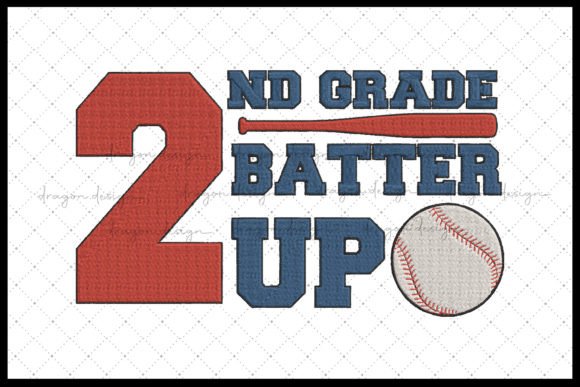
When evaluating a machine embroidery design for the 100th day milestone, my primary concern is always readability and emotional resonance. This specific 100 Days of School design immediately strikes a balance between celebratory and nostalgic. It avoids the cluttered aesthetic that plagues many seasonal designs, offering a clean layout that feels intentional rather than chaotic. For an embroidery designer or small business owner, this visual clarity is crucial. It suggests a design that will translate well from screen to fabric without losing its charm in the translation.
The mood is distinctly cheerful yet structured, making it appropriate for both classroom celebrations and keepsake gifts. As a reviewer, I look for versatility in Back To School or mid-year themes. This design possesses a timeless quality that allows it to function as a standalone graphic on a sweatshirt or as a complementary element on a tote bag. The personality is youthful but not infantile, which expands its potential market demographic beyond just toddlers to include older elementary students celebrating this academic achievement.
Real-World Application: The Custom Sweatshirt Test
To truly understand the value of this embroidery file, I approached it with a specific project in mind: a custom crewneck sweatshirt for an Etsy shop catering to teachers and parents. In this real-life scenario, the design needs to perform on fleece-backed cotton, a fabric that can be unforgiving with poor digitization. I envisioned stitching this out in a 5x7 hoop size, centered on the chest, using high-contrast thread colors to ensure the "100" numeral pops against a navy or heather grey background.
During the mental walkthrough of this sweatshirt embroidery project, I considered how the customer would receive the finished product. Parents want crisp edges and legible text they can photograph for social media. If the design relies too heavily on tiny running stitches, those details would disappear into the fleece texture. Fortunately, this design appears optimized for visibility. For a craft business owner, this means less time troubleshooting registration issues and more time fulfilling orders. The design serves as a reliable asset for creating personalized gifts that feel professional and boutique-quality rather than homemade in a pejorative sense.
Fabric Compatibility and Technical Considerations
While the design is versatile, practical judgment dictates where it should and should not be used. Not every substrate is suitable for this particular embroidery project. Understanding these limitations prevents wasted materials and protects your reputation as a maker.
- Ideal Substrates: Cotton quilting fabric, canvas tote bags, denim jackets, and stable fleece sweatshirts provide the best foundation. These fabrics support the stitch density without puckering.
- Challenging Fabrics: Use extreme caution with ribbed knits or highly textured terry cloth. If you must use these for baby embroidery or towels, employ a water-soluble topping to prevent stitches from sinking.
- Stretchy Performance Wear: Avoid using this design on thin, four-way stretch athletic wear unless you are an expert at stabilization. The contrast between the dense design and the lightweight fabric often leads to distortion.
- Curved Surfaces: Caps and curved sleeves require careful hooping. Ensure the design dimensions fit within the safe stitch area of your cap frame to avoid needle strikes or misalignment.
For commercial embroidery ventures, consistency is key. If you plan to offer this on multiple garment types, test the design on each specific fabric weight first. What works perfectly on a heavy canvas apron may require stabilizer adjustments for a lighter cotton t-shirt.
Navigating Stabilizers and Hoop Sizes
Stabilizer choice is non-negotiable when working with school-themed graphics that often contain text elements. For this 100 Days of School design, I recommend a medium-weight cutaway stabilizer for any knit apparel to maintain shape integrity after washing. For woven fabrics like pillow covers or tea towels, a tear-away stabilizer usually suffices. Always verify the required hoop size before purchasing or stitching. Attempting to shrink a design significantly to fit a smaller hoop can compromise stitch density and legibility, particularly in numerical characters where proportion matters.
Impact on Product Value and Customer Trust
In the competitive landscape of handmade products and digital design assets, the quality of your embroidery directly correlates to perceived value. A well-executed 100 Days of School design signals professionalism. When customers see clean satin stitch borders and smooth fill stitch areas, they trust the durability of the item. This trust is essential for Etsy sellers and boutique owners who rely on repeat business and word-of-mouth referrals.
Furthermore, this design enhances giftability. A personalized gift featuring this motif becomes a tangible memory of an academic milestone. Whether applied to a backpack patch, a classroom banner, or a commemorative ornament, the design carries emotional weight. For digital product sellers, providing a high-quality version of this theme ensures that end-users achieve successful results, reducing support requests and negative reviews related to poor digitization.
Designer Notes for Professional Results
Before loading this digital embroidery file into your machine for a client order or shop stock, adhere to these professional best practices to ensure optimal outcomes:
- Conduct a Sew-Out Test: Never skip testing on scrap fabric that matches your final project material. Check for registration errors between color changes.
- Evaluate Thread Contrast: View your thread selection in natural light. Low-contrast combinations (e.g., white thread on cream fabric) may look elegant digitally but vanish physically.
- Review Stitch Density: Inspect the design in your editing software. If the density seems too high for delicate baby clothes, consider resizing slightly or using a lighter weight thread.
- Mockup Verification: Create printable mockups or digital previews showing the design on both light and dark backgrounds. This helps customers visualize the final embroidered patch or apparel item accurately.
- Licensing Compliance: Confirm whether your purchase includes commercial rights for selling finished physical items versus reselling the digital file itself. Respecting intellectual property is fundamental to ethical business practices.
- Format Compatibility: Although the description mentions multiple embroidery file formats, always verify that your specific machine format is included before buying to avoid conversion headaches.
Final Verdict for Makers and Sellers
This 100 Days of School design represents a solid addition to any embroiderer's library, particularly for those focusing on educational milestones and children's apparel. Its strength lies in its balanced composition and adaptability across various custom apparel and gift items. By respecting fabric limitations and employing proper stabilization techniques, makers can leverage this design to create meaningful, high-quality products that resonate with families and educators alike. Whether you are crafting a single heirloom piece or stocking a shop with seasonal merchandise, this design offers the reliability and aesthetic appeal necessary for professional success.