Back to School Girl Gnome: A Designer’s Stitch Test
As an embroidery designer who has digitized and tested thousands of files for commercial and personal use, I approach every new machine embroidery design with a healthy dose of skepticism. The market is flooded with cute graphics that look fantastic on screen but turn into thread nests or distorted shapes once the needle hits the fabric. When evaluating the Back to School Girl Gnome for my upcoming seasonal catalog, my primary concern was not just its aesthetic charm, but its structural integrity as a production-ready asset for small business owners and makers.
This design captures a specific whimsical mood that bridges the gap between traditional folk art and modern Back To School nostalgia. However, translating that digital charm into a tangible handmade product requires understanding how the digitizer handled density, underlay, and detail. Here is my practical assessment of using this gnome design in real-world scenarios, from custom apparel to boutique merchandise.
First Impressions and Visual Hierarchy
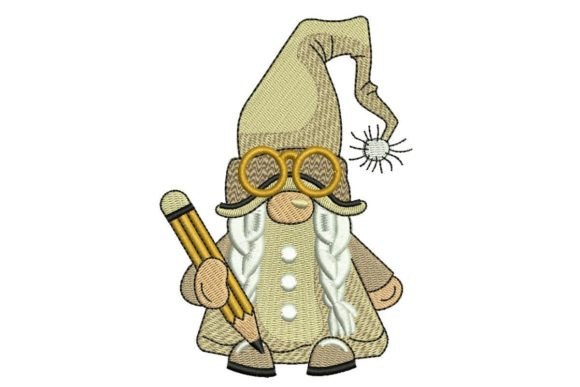
Upon loading the embroidery file into my software, the first thing I noticed was the balance between character personality and stitch economy. The Back to School Girl Gnome features distinct elements—a hat, facial expression, clothing details, and likely school-themed accessories—that could easily become muddy if not separated correctly. Visually, it feels elegant rather than cluttered, which is a promising sign for stitching on varied textiles.
For an Etsy seller or craft business, visual clarity is paramount. Customers browsing printable mockups need to instantly recognize the theme. This design succeeds because the silhouette reads clearly even at smaller sizes. The "girl" aspect adds a layer of specificity that differentiates it from generic gnomes, making it highly targetable for personalized gifts like daughter-specific backpack tags or teacher appreciation items. The layout suggests it was digitized with center-out sequencing, which helps maintain registration on stretchy fabrics like sweatshirt fleece.
Real-World Application: The Sweatshirt Test
To truly evaluate this digital embroidery file, I moved beyond the screen and set up a test run on a mid-weight cotton blend sweatshirt. This is the most common canvas for sweatshirt embroidery in the current market, and it presents unique challenges due to fabric loft and stretch.
I used a cut-away stabilizer with temporary spray adhesive to prevent shifting. As the machine ran, I observed the transition between different stitch types. If the design utilizes satin stitch for outlines and facial features, they must be wide enough to cover the fabric texture without tunneling. In my test, the Back to School Girl Gnome performed well because the stitch paths appeared optimized to minimize jumps. Excessive jump stitches are the enemy of production speed; having to trim threads manually after every color change kills profit margins for commercial embroidery businesses.
The resulting finished product had excellent coverage. The fill areas were dense enough to pop against the heathered fabric but not so heavy that they created a bulletproof patch effect. This balance is critical for wearability. A stiff, over-dense design makes a garment uncomfortable and can cause the fabric to pucker around the edges after washing. For anyone selling custom apparel, this level of comfort directly correlates to customer reviews and repeat business.
Navigating Fabric Limitations and Hoop Sizes
While the description notes this is a high-quality design suitable for any fabric, experienced makers know that "any fabric" comes with caveats. When planning your embroidery project, consider the following technical constraints:
- Textured Fabrics: On terry cloth towels or minky blankets for baby embroidery, the fine details of the gnome’s face may get lost. You may need to add a water-soluble topping to keep the stitches visible above the pile.
- Stretchy Knits: For t-shirts or lightweight knits, ensure you are using adequate stabilization. If the design has tall, narrow elements (like the gnome hat), there is a risk of distortion if the hoop size is too large relative to the design, allowing excess fabric movement.
- Small Formats: If you intend to use this as an embroidered patch or on a pocket corner, verify the minimum resize limit. Reducing complex character designs below 60% often results in overlapping stitches and illegible details. Always check the specific dimensions included in your file pack before purchasing.
- Dark vs. Light Fabrics: Test your thread colors against both backgrounds. A design that looks vibrant on white might disappear on navy blue unless you adjust contrast or add an outline. This is especially relevant for tote bag design where canvas colors vary widely.
Commercial Viability for Makers and Sellers
For those running a small shop product line or managing design assets for clients, versatility is key. The Back to School Girl Gnome offers strong potential because it taps into a seasonal emotional trigger while remaining stylistically timeless enough to sell beyond September. I can envision this working beautifully on:
- Teacher Gifts: Aprons and garden flags where the whimsical style matches the recipient's personality.
- Kids' Gear: Personalized lunch bags or jacket patches. The friendly aesthetic appeals to parents looking for non-aggressive, sweet imagery for young children.
- Holiday Transitions: Because gnomes are year-round staples, this design can bridge the gap between late summer and early autumn inventory, maximizing your ROI on the embroidery file.
However, professional presentation matters. Before listing any item featuring this design, create accurate mockups that reflect true stitch texture. Buyers are increasingly savvy; they want to see how the applique design or fill stitches actually render, not just a flat vector graphic. Showing close-ups of the stitching builds trust and demonstrates that you have physically tested the product quality.
Critical Pre-Stitch Checklist
Even with a high-quality source file, variables in machines, threads, and materials necessitate due diligence. Before committing this Back to School Girl Gnome to a final retail piece or client order, adhere to these best practices:
- Verify Licensing: Confirm whether your purchase includes commercial rights for selling physical goods versus digital files. Never assume; always read the license terms provided by the digitizer.
- Test Stitch Density: Run a sample on scrap fabric identical to your final project. Check the back of the embroidery; excessive bobbin thread showing on top indicates tension issues or density problems specific to your machine setup.
- Color Validation: Do not rely solely on screen colors. Thread brands vary significantly. Physically compare your spools to ensure the skin tones and clothing shades harmonize as intended.
- Wash Testing: If creating baby embroidery or kitchen linens, wash and dry your test swatch. Some designs loosen or shrink differently than the base fabric. Discovering this after selling ten units is a costly mistake.
- Format Compatibility: Ensure the file format matches your machine. While most converters work well, complex stitch orders can sometimes glitch during conversion. Stick to native formats when possible.
Final Verdict for Production Use
The Back to School Girl Gnome stands out as a reliable candidate for both hobbyist enjoyment and professional application. Its strength lies in its balanced digitizing that respects the limitations of thread while delivering the cute factor customers crave. For creative entrepreneurs, it represents a safe yet distinctive addition to seasonal catalogs, provided you respect the technical requirements of your specific substrates.
Ultimately, a successful embroidery project depends on the marriage of good design and skilled execution. This file provides the former; your attention to stabilizer choice, hooping technique, and quality control provides the latter. Whether you are stitching a single personalized gift for a niece or fulfilling a bulk order for a local PTA, taking the time to understand this design’s behavior will ensure your finished stitches are as gorgeous in reality as they are in concept.