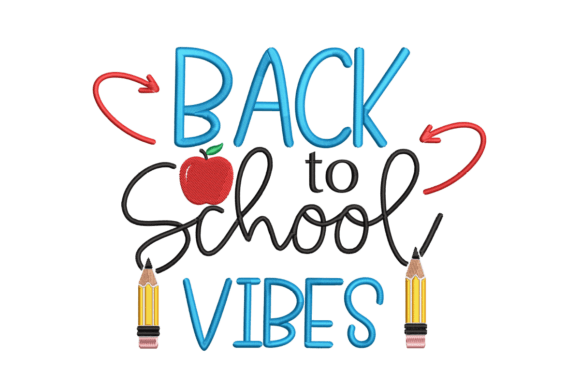
Back to School Vibes: A Crafter’s Review
As I prepare my inventory for the upcoming weekend craft fair, my table display needs to strike a balance between nostalgic charm and modern practicality. When evaluating Back to School Vibes as a potential centerpiece for my seasonal collection, I am looking at more than just a cute graphic; I am assessing a viable commercial asset. This machine embroidery design presents itself as colorful and high-quality, specifically tailored for decorating back-to-school items. From the perspective of an experienced embroidery designer and small business owner, this review breaks down how this design translates from a digital file to a best-selling handmade product in a competitive market environment.
First Impressions and Visual Impact
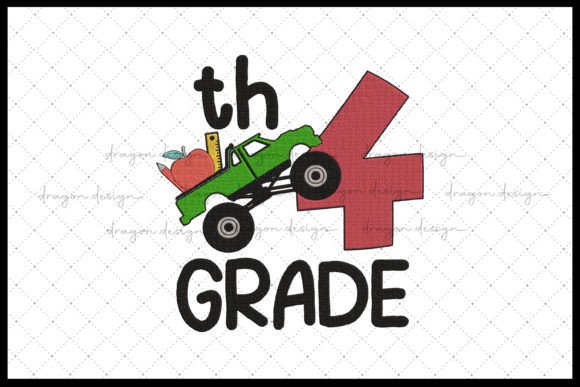
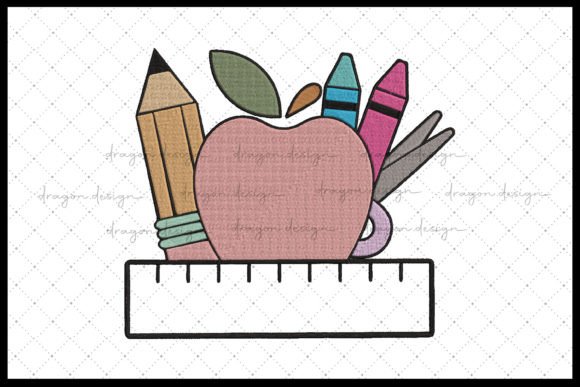
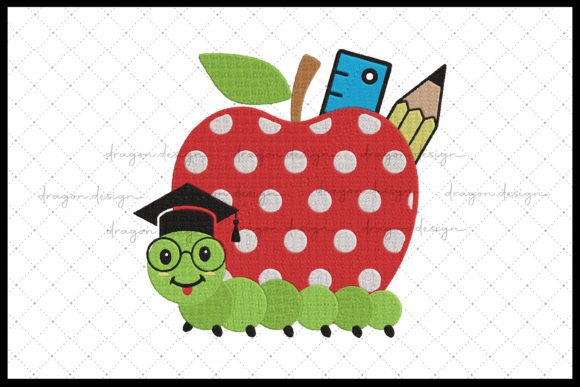
The title Back to School Vibes immediately suggests a mood that is energetic, youthful, and vibrant. In a booth setting where customers walk by quickly, first impressions are everything. Based on the description of this design being "colorful," I anticipate a palette that pops against neutral backgrounds. For a craft fair product, this is crucial. A design that feels too muted or overly complex can get lost in the visual noise of a busy market. This design appears to lean into a bold, cheerful aesthetic rather than a minimalist or rustic farmhouse style, which makes it ideal for capturing the attention of parents and teachers looking for something fun and functional.
For Etsy sellers and boutique makers, this visual energy translates well to thumbnails. The "vibes" aspect implies a lifestyle appeal, suggesting that the finished item isn't just a utility but a statement piece. Whether the style is retro-inspired or contemporary vector art, the key selling point here is the emotional connection to the start of the academic year. As a designer, I look for this emotional hook because it drives impulse purchases at markets and increases click-through rates online.
Best Product Applications for Market Sales
Determining where Back to School Vibes performs best requires matching the design's characteristics with the right substrate. Not every embroidery file works on every product. Here is my assessment of where this design will generate the most revenue:
- Tote Bag Design: This is likely the strongest contender. Canvas totes provide a stable, flat surface that showcases colorful embroidery beautifully. As a tote bag design, Back to School Vibes can serve as a large focal point. Teachers and students use these daily, making them high-visibility advertising for your brand.
- Apron Embroidery: For parent-teacher conferences or classroom volunteers, a personalized apron is a unique niche. The design should be placed centrally or on a pocket. Ensure the stitch density is appropriate for denim or canvas aprons to prevent puckering.
- Tea Towel Embroidery: While traditional, tea towels can feel dated if the design isn't fresh. If Back to School Vibes has a playful element, it elevates the towel from a kitchen rag to a giftable keepsake. Flour sack towels are preferable here due to their smoother fabric texture.
- Embroidered Patch: Creating standalone patches allows customers to customize their own gear. This is a low-risk, high-margin item for craft fairs. The design must hold its shape without a backing fabric, so testing the border integrity is essential.
- Fabric Pouches and Zipper Cases: Small pouches for pencils or cosmetics are excellent small shop products. They require less hoop space and allow for batch production. The colorful nature of this design works exceptionally well on solid-colored cottons or linens.
Production Practicality and Batch Efficiency
For those of us running a commercial embroidery business or a solo handmade shop, time is money. A beautiful design is useless if it takes three hours to stitch out or requires constant thread changes that disrupt workflow. When reviewing Back to School Vibes, I evaluate its repeatability.
Does the design utilize efficient color blocking? Excessive jumps and trims slow down production and increase the risk of thread breaks. A high-quality digital embroidery file should be digitized with production efficiency in mind. Furthermore, I consider the hoop size. Designs that fit within standard 4x4 or 5x7 hoops are generally more profitable because they allow for multi-item hooping or faster re-hooping cycles. If this design is massive, it limits the number of units I can produce before a fair. Conversely, if it is too small, it may not justify a premium price point. Finding that sweet spot where the design commands value without consuming excessive machine time is vital for profit margins.
Photographing for online listings also matters. Colorful designs like this photograph best in natural light. I recommend creating at least one real mockup rather than relying solely on software renderings. Customers want to see how the thread colors interact with actual fabric grain. A printable mockup can help visualize placement, but a photo of the finished product builds trust.
Critical Technical Considerations and Careful Use Notes
Even the best design assets have limitations. As a professional, I must highlight areas where caution is needed when stitching Back to School Vibes:
- Fabric Texture Compatibility: Because this is described as colorful, it likely involves satin stitches or fill areas. Avoid highly textured fabrics like terry cloth or waffle weave unless you use a water-soluble topper. The details will sink into the pile, ruining the visual clarity.
- Stabilizer Selection: Do not skimp on stabilization. For tote bags and aprons, a medium-weight cutaway stabilizer is usually necessary to support the weight of dense, colorful stitching. Tear-away stabilizers often lead to distortion in larger designs.
- Small Lettering Risks: If the design includes text, verify the minimum height. Text smaller than 6mm often becomes illegible on woven fabrics. Test on scrap fabric first to ensure the letters do not pull or gap.
- Curved Surfaces: If applying this to caps, ensure the file is specifically digitized for curved surfaces. Flat embroidery files will distort on a hat frame. Always confirm the intended application before purchasing.
- Dark Fabrics: Bright threads on dark fabric can sometimes look stark or require excessive underlay to prevent the fabric color from showing through. Check if the digitizer included adequate underlay for contrast scenarios.
Designer’s Checklist Before Selling
Before listing Back to School Vibes as a featured item in my shop or bringing it to a market, I run through this non-negotiable checklist. I advise all fellow creative entrepreneurs to do the same:
- Verify Licensing: Confirm that the digital embroidery file includes commercial licensing for finished products. Never assume usage rights; always check the specific terms provided by the digitizer.
- Test Stitch-Out: Never sell a product based on a screen preview. Stitch the design on the exact fabric and with the exact stabilizer you intend to use for production.
- Check Thread Contrast: View the test stitch-out from five feet away. Does it read clearly? Is the color balance appealing in person?
- Inspect Stitch Density: Run your finger over the embroidery. Is it bulletproof and stiff, or soft and pliable? Overly dense designs can damage delicate fabrics and feel cheap to the touch.
- Create Physical Samples: Make at least one complete sample for photography and booth display. This confirms that the design integrates well with the construction of the handmade product.
Ultimately, Back to School Vibes holds significant promise for the seasonal market. Its colorful, high-quality description aligns perfectly with the demand for cheerful, personalized school gear. By carefully selecting the right substrates, respecting technical limitations, and validating production efficiency, this design can become a cornerstone of a successful back-to-school collection. Whether you are stocking an Etsy shop or setting up a booth, treating this design with professional scrutiny ensures it delivers both aesthetic appeal and commercial viability.